Why BP Control Is Critical to Prevent Heart Attack & Stroke
By Dr. Shadab Rauf
MBBS, DNB, DM (Cardiology)
Interventional Cardiologist
Rauf Hospital – Multispeciality & Heart Care Center
Introduction:
High blood pressure (hypertension) is one of the most common yet most ignored health problems today. Millions of people live with elevated BP without any obvious symptoms, believing that if they feel fine, nothing is wrong.
This belief is dangerous.
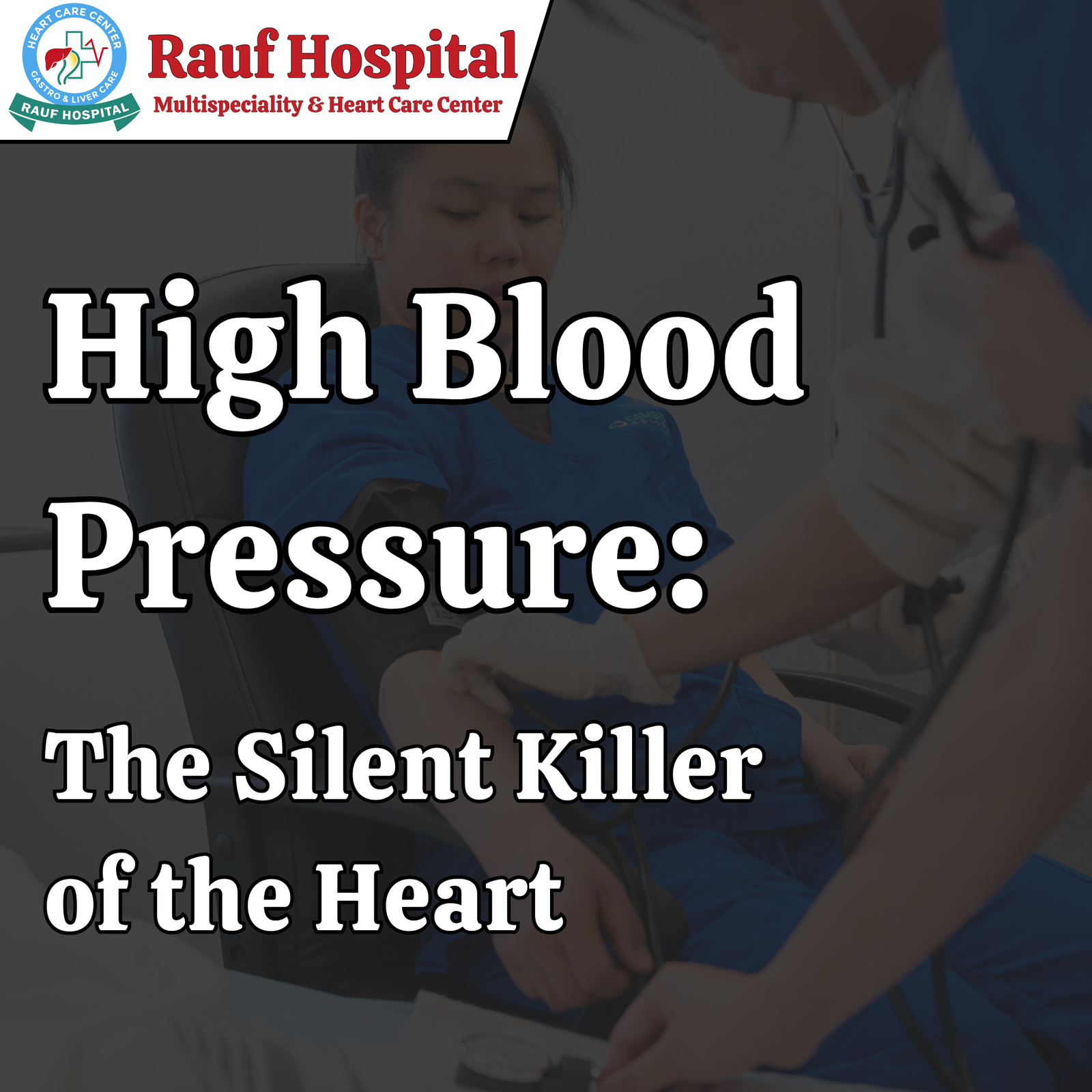
High blood pressure is often called the “silent killer of the heart” because it gradually damages vital organs—especially the heart, brain, kidneys, and blood vessels—without warning. In cities like Varanasi, many patients first discover they have hypertension only after suffering a heart attack, stroke, or heart failure.
This is why patients seeking the best interventional cardiologist in Varanasi – Dr. Shadab Rauf often come for evaluation and BP control before a life-threatening event occurs.
What Is High Blood Pressure?
Blood pressure is the force with which blood pushes against the walls of arteries. When this pressure remains consistently high, it is known as hypertension.
Normal BP: ~120/80 mmHg
High BP: ≥140/90 mmHg (persistent readings)
Hypertension is a chronic condition and usually requires long-term monitoring and treatment.
Why High Blood Pressure Is Called a “Silent Killer”
Most people with high BP:
Do not feel pain
Do not feel sick
Continue daily life normally
Meanwhile, uncontrolled BP silently causes:
Thickening of heart muscle
Narrowing of blood vessels
Damage to brain arteries
Progressive kidney damage
By the time symptoms appear, significant organ damage may already have occurred.
How High Blood Pressure Damages the Heart
Uncontrolled BP forces the heart to work harder. Over time, this leads to:
Enlargement and weakening of heart muscle
Reduced pumping efficiency
Heart failure
Increased risk of heart attack
Hypertension is one of the leading causes of coronary artery disease.
Link Between High BP, Heart Attack & Stroke
Heart Attack
High BP accelerates blockage in heart arteries by:
Damaging artery walls
Promoting cholesterol buildup
Increasing clot formation
This can suddenly block blood flow to the heart, causing a heart attack.
Stroke
In the brain, high BP can:
Burst weakened blood vessels (hemorrhagic stroke)
Cause clots due to narrowed arteries (ischemic stroke)
Hypertension is the single biggest risk factor for stroke.
Common Symptoms People Ignore
Although often silent, some patients may experience:
Headaches (especially morning)
Dizziness
Fatigue
Breathlessness
Palpitations
Blurred vision
These symptoms are frequently ignored or blamed on stress.
Who Is at Higher Risk of High Blood Pressure?
You are at higher risk if you have:
Family history of hypertension
Diabetes
Obesity
High salt intake
Smoking or tobacco use
Physical inactivity
Chronic stress
Post-COVID health issues
Such individuals should undergo regular BP monitoring and preventive cardiology evaluation.
Importance of BP Control in Preventing Heart Attack & Stroke
Proper BP control helps:
Reduce strain on the heart
Prevent artery damage
Lower risk of heart attack
Significantly reduce stroke risk
Protect kidneys and brain
Studies show that even modest BP reduction dramatically lowers cardiovascular risk.
Diagnostic & Monitoring Approach
A structured cardiac evaluation for hypertension includes:
Regular BP measurement
ECG to assess heart strain
Echocardiography (if needed)
Risk factor assessment (cholesterol, sugar)
Lifestyle evaluation
Early detection allows timely medical and lifestyle intervention.
Role of Preventive Cardiology in Hypertension
Preventive cardiology focuses on:
Long-term BP control
Lifestyle modification guidance
Medication optimization
Monitoring for early complications
This approach prevents emergencies and improves long-term heart health.
Patient-Centric BP & Heart Care at Rauf Hospital
At Rauf Hospital – Multispeciality & Heart Care Center, patients benefit from:
Early diagnosis of hypertension
Ethical, evidence-based BP management
Cardiac evaluation to detect silent damage
Long-term heart protection strategies
This comprehensive approach is why many patients associate their care with the best interventional cardiologist in Varanasi – Dr. Shadab Rauf.
When Should You Consult a Cardiologist Urgently?
Do not delay consultation if you have:
Repeated high BP readings
BP with diabetes or heart symptoms
Headache or dizziness with BP
Breathlessness or chest discomfort
Family history of heart disease
Timely cardiology consultation can prevent irreversible damage.
Expert Insight – Dr. Shadab Rauf
“High blood pressure rarely causes pain, but it silently damages the heart and brain.
Controlling BP early is the most effective way to prevent heart attack and stroke.”
Appointment & Contact Information
Rauf Hospital – Multispeciality & Heart Care Center
📍 Locations:
- Chhittanpura, Koyla Bazar, Varanasi
- Doodh Satti, Orderly Bazar, Varanasi
📞 Contact Numbers:
+91 99355 45456
+91 93365 19415
🫀 Services Available:
BP Management • ECG • Echocardiography • Heart Check-Up • Preventive Cardiology • Cardiac Risk Assessment
Final Thoughts:
High blood pressure does not announce itself—but its consequences can be devastating.
Ignoring BP today can lead to heart attack or stroke tomorrow.
Early detection, regular monitoring, and expert care can save lives.
For ethical, comprehensive, and preventive heart care, many patients rely on expertise associated with the best interventional cardiologist in Varanasi – Dr. Shadab Rauf.
“Control your BP today—protect your heart for life.”