By Dr. Shadab Rauf
MBBS, DNB, DM (Cardiology)
Interventional Cardiologist
Rauf Hospital – Multispeciality & Heart Care Center
Introduction:
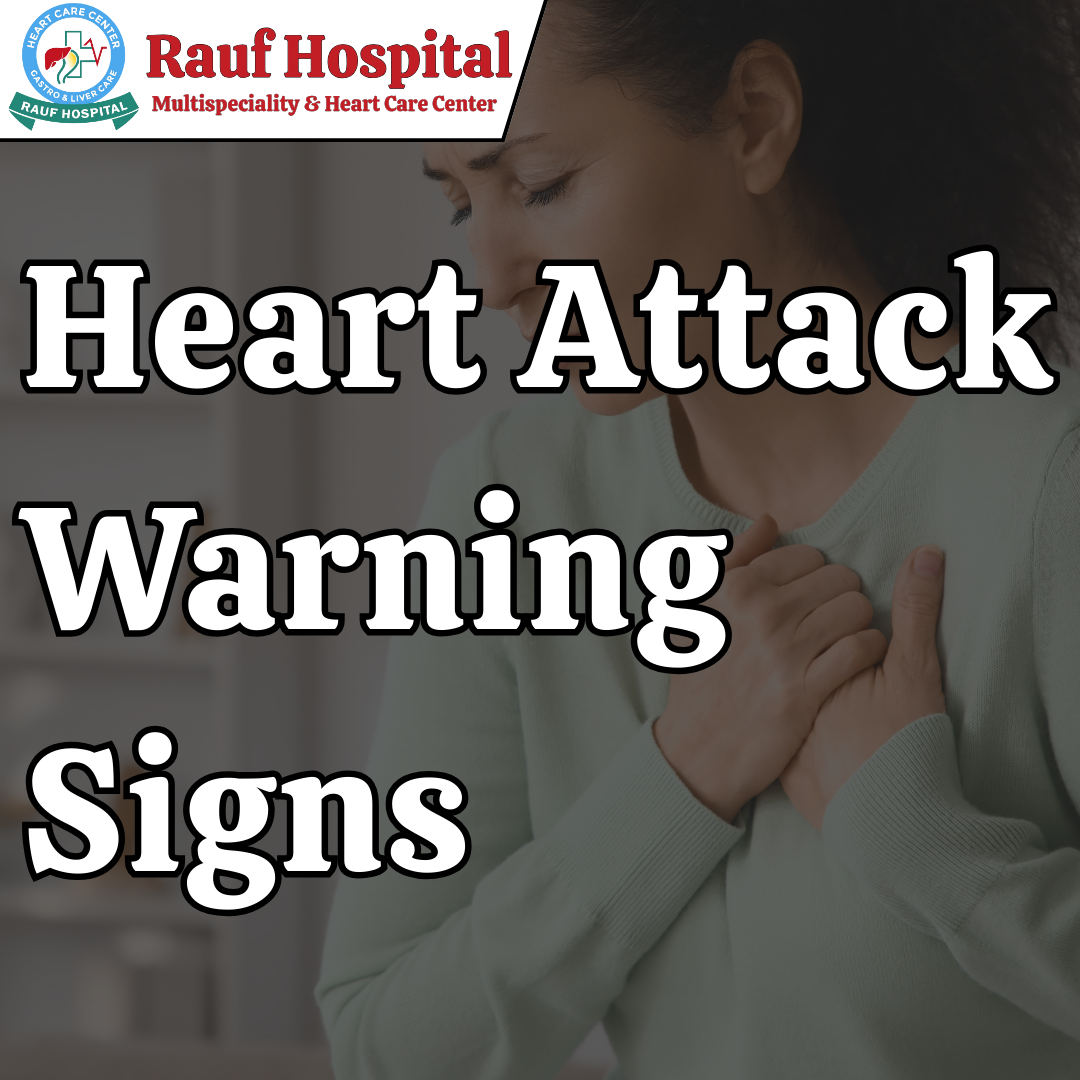
Most people believe a heart attack happens suddenly, without warning. In reality, many heart attacks are preceded by subtle warning signs that appear days or even weeks earlier.
In cardiology practice, a large number of patients in Varanasi report symptoms like fatigue, breathlessness, chest discomfort, or indigestion before their heart attack—but these signs were ignored or misattributed to stress, acidity, or weakness.
Recognizing these early warning signs can be life-saving.
A heart attack rarely comes unannounced. The heart often sends early distress signals—we just fail to listen.
Why Early Heart Attack Symptoms Are Ignored
Early symptoms are often:
Mild
Intermittent
Non-specific
They do not always resemble classic crushing chest pain. This is especially true in:
Diabetic patients
Elderly individuals
Women
Patients with high BP or cholesterol
As a result, people delay cardiology consultation until a major event occurs.
Common Heart Attack Warning Signs That Appear Early
- Unusual Fatigue or Reduced Energy
Feeling exhausted after routine activities or experiencing unexplained tiredness is one of the most common early warning signs.
This happens because reduced blood flow to the heart decreases oxygen delivery to the body.
If fatigue is new, persistent, or worsening—it deserves attention.
- Breathlessness on Mild Exertion
Shortness of breath while walking, climbing stairs, or performing daily tasks may indicate early heart dysfunction or blocked coronary arteries.
Many patients mistakenly assume it is due to lung problems or aging.
- Chest Discomfort (Not Always Pain)
Early cardiac discomfort may feel like:
Pressure
Tightness
Heaviness
Burning sensation
It may come and go and may not be severe. This intermittent nature often leads to neglect.
- Indigestion-Like Symptoms or Upper Abdominal Discomfort
Heart-related pain is sometimes confused with gas, acidity, or indigestion.
Persistent upper abdominal discomfort—especially in high-risk individuals—should never be ignored.
- Palpitations or Irregular Heartbeat
An abnormal heart rhythm may indicate poor blood supply to the heart muscle.
Palpitations accompanied by fatigue, dizziness, or breathlessness are particularly concerning.
- Dizziness, Lightheadedness, or Near-Fainting
Reduced cardiac output or rhythm disturbances may cause:
Sudden weakness
Dizziness
Feeling faint
These symptoms are often dismissed as dehydration or low BP.
- Sleep Disturbance or Night-Time Breathlessness
Waking up breathless at night or needing multiple pillows to sleep comfortably can be an early sign of heart failure.
Who Is at Highest Risk of Ignoring These Warning Signs?
You are at higher risk if you have:
Diabetes
High blood pressure
High cholesterol
Smoking or tobacco use
Family history of heart disease
Obesity or sedentary lifestyle
Post-COVID cardiac symptoms
In such individuals, even mild symptoms may indicate serious heart disease.
Why Ignoring Early Symptoms Is Dangerous
Delaying evaluation can result in:
Sudden heart attack
Extensive heart muscle damage
Heart failure
Life-threatening arrhythmias
Emergency hospitalization
Early diagnosis allows preventive intervention before irreversible damage occurs.
How Cardiologists Detect Impending Heart Attacks
A structured cardiac evaluation may include:
Detailed symptom analysis
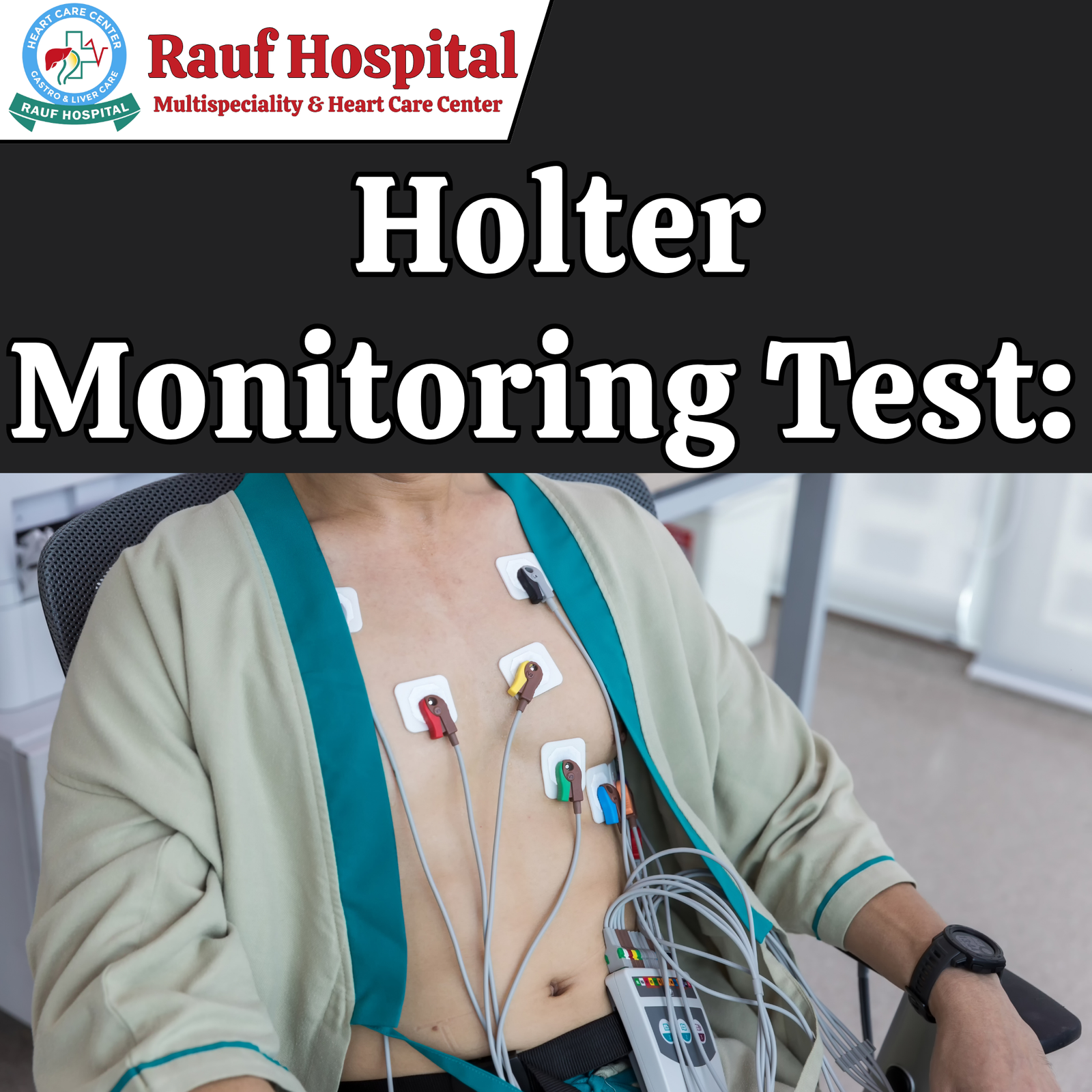
ECG (Electrocardiogram)
Echocardiography
Cardiac risk profiling
Advanced testing if required
This approach helps identify patients at risk before a heart attack happens.
Role of Preventive Cardiology
Preventive cardiology focuses on:
Early identification of coronary artery disease
Control of BP, sugar, and cholesterol
Lifestyle modification
Timely medical or interventional treatment
This significantly reduces heart attack risk.
Patient-Centric Heart Care at Rauf Hospital
At Rauf Hospital – Multispeciality & Heart Care Center, patients benefit from:
Early detection of silent heart disease
Ethical, evidence-based cardiology care
Emergency preparedness
Long-term heart health planning
This comprehensive approach is why many patients trust expertise associated with the best interventional cardiologist in Varanasi – Dr. Shadab Rauf.
Expert Insight – Dr. Shadab Rauf
“Heart attacks often give warning signs days or weeks in advance.
Fatigue, breathlessness, and chest discomfort should never be ignored.
Early evaluation can prevent a major cardiac event.”
When Should You See a Cardiologist Immediately?
Consult without delay if you experience:
New or unexplained fatigue
Breathlessness on walking
Chest discomfort or pressure
Palpitations or dizziness
Indigestion-like symptoms with risk factors
Early cardiology consultation can save heart muscle—and lives.
Appointment & Contact Information
Rauf Hospital – Multispeciality & Heart Care Center
📍 Locations:
- Chhittanpura, Koyla Bazar, Varanasi
- Doodh Satti, Orderly Bazar, Varanasi
📞 Contact Numbers:
+91 99355 45456
+91 93365 19415
🫀 Services Available:
Cardiac Evaluation • ECG • Echocardiography • Heart Attack Risk Assessment • Preventive Cardiology • Emergency Cardiac Care
Final Thoughts:
A heart attack rarely comes without warning.
The signs are often subtle—but meaningful.
Listening to your body and seeking timely cardiology care can prevent tragedy.
“Your heart speaks before it breaks—listen early.”