Hidden Cardiac Symptoms Explained by an Interventional Cardiologist.
By Dr. Shadab Rauf
MBBS, DNB, DM (Cardiology)
Interventional Cardiologist
Rauf Hospital – Multispeciality & Heart Care Center
Introduction:
Most people associate heart disease with severe chest pain. While chest pain is a classic symptom, it is not the only warning sign of heart disease. In reality, many serious cardiac conditions progress silently or present with non-specific symptoms that are often ignored or misattributed to stress, aging, acidity, or lung problems.
In cities like Varanasi, patients frequently delay cardiology consultation because they do not experience typical chest pain. Unfortunately, this delay can allow heart disease to advance unnoticed—sometimes until a heart attack or heart failure occurs.
This is why early evaluation by an experienced interventional cardiologist like Dr. Shadab Rauf is critical, even when symptoms seem mild or unrelated to the heart.
Understanding Heart Disease Beyond Chest Pain
Heart disease affects the heart muscle, valves, electrical system, and blood vessels. Depending on which part is involved, symptoms can vary widely.
Many patients with:
Coronary artery disease
Early heart failure
Rhythm disorders
Valve disease
do not experience chest pain at all, especially in the early stages.
Hidden Cardiac Symptoms You Should Not Ignore
- Breathlessness (Shortness of Breath)
Breathlessness during routine activities—such as walking short distances or climbing stairs—can be an early sign of:
Weak heart pumping (heart failure)
Blocked coronary arteries
Valve-related heart disease
Cardiac breathlessness is often mistaken for lung disease or lack of fitness.
- Unusual Fatigue and Reduced Stamina
Persistent tiredness that does not improve with rest may indicate:
Reduced blood supply to the heart
Poor heart muscle function
Early heart failure
Many patients attribute this to stress or age, delaying evaluation.
- Palpitations or Irregular Heartbeat
Feeling that the heart is:
Racing
Skipping beats
Beating irregularly
may point toward cardiac rhythm disorders, which can increase the risk of stroke and heart failure if untreated.
- Swelling in Feet, Ankles, or Legs
Swelling is often ignored, but it may indicate:
Fluid retention due to heart failure
Poor circulation
Progressive swelling is a red flag symptom.
- Dizziness, Lightheadedness, or Near-Fainting
These symptoms may occur due to:
Low blood pressure
Heart rhythm abnormalities
Reduced blood flow to the brain
Such signs require urgent cardiac evaluation.
- Sleep Disturbance Due to Breathlessness
Waking up at night with shortness of breath or needing multiple pillows to sleep comfortably may suggest worsening heart function.
Why These Symptoms Are Commonly Missed
Hidden cardiac symptoms are often:
Mild in the beginning
Intermittent
Confused with non-cardiac causes
As a result, patients delay consultation until the disease reaches an advanced stage.
Early detection can prevent heart attacks, hospital admissions, and long-term complications.
Diagnostic Approach to Detect Silent Heart Disease
A structured cardiology evaluation helps identify hidden heart problems early. This may include:
Detailed clinical history
Blood pressure monitoring
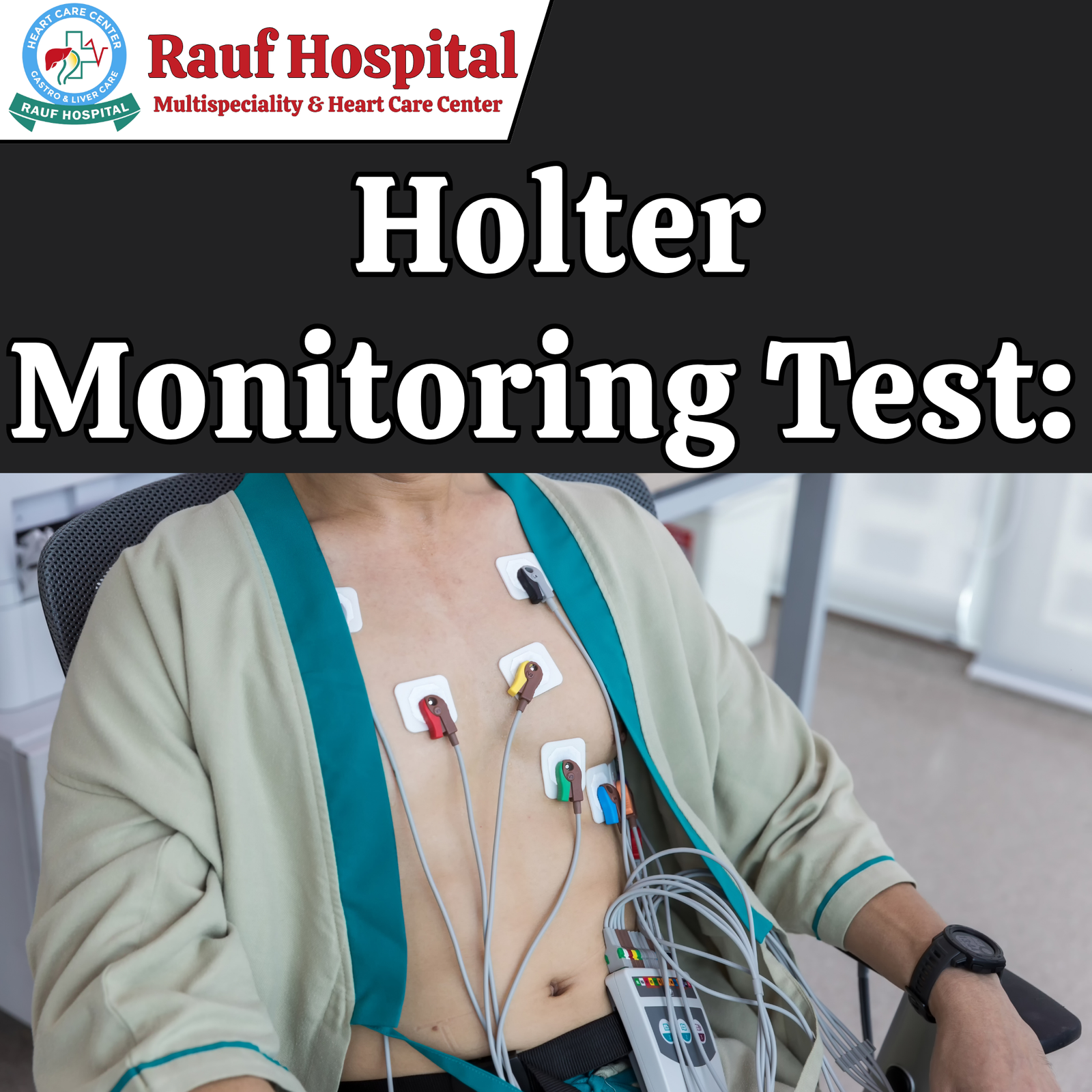
ECG (Electrocardiogram)
Echocardiography to assess heart structure and function
Risk factor evaluation (diabetes, cholesterol, lifestyle)
Timely diagnosis allows preventive and corrective treatment before emergencies occur.
Who Is at Higher Risk of Silent Heart Disease?
You are at higher risk if you have:
High blood pressure
Diabetes
High cholesterol
Family history of heart disease
Smoking or tobacco use
Sedentary lifestyle
History of COVID-related cardiac symptoms
For these individuals, preventive cardiology is essential.
Importance of Preventive Cardiology
Preventive cardiology focuses on:
Early risk identification
Lifestyle modification
Medical management before complications arise
Regular monitoring of heart health
This approach significantly reduces the risk of heart attack, heart failure, and sudden cardiac events.
Patient-Centric Cardiac Care at Rauf Hospital
At Rauf Hospital – Multispeciality & Heart Care Center, patients receive:
Early detection of silent cardiac conditions
Ethical, evidence-based cardiology care
Emergency cardiac evaluation when required
Long-term heart health planning
This comprehensive model is why many patients trust care associated with the best interventional cardiologist in Varanasi – Dr. Shadab Rauf.
When Should You Consult a Cardiologist Without Delay?
Seek immediate cardiology consultation if you experience:
Persistent breathlessness
Unexplained fatigue
Palpitations or irregular heartbeat
Swelling in legs or ankles
Dizziness or near-fainting episodes
Known BP or diabetes with new symptoms
Early consultation can prevent irreversible heart damage.
Expert Insight – Dr. Shadab Rauf
“Heart disease does not always begin with chest pain.
Subtle symptoms like fatigue, breathlessness, or palpitations are often the earliest warning signs.
Recognizing them early can prevent life-threatening cardiac events.”
Appointment & Contact Information
Rauf Hospital – Multispeciality & Heart Care Center
📍 Locations:
- Chhittanpura, Koyla Bazar, Varanasi
- Doodh Satti, Orderly Bazar, Varanasi
📞 Contact Numbers:
+91 99355 45456
+91 93365 19415
🫀 Services Available:
Cardiac Evaluation • ECG • Echocardiography • Heart Check-Up • BP Control • Preventive Cardiology
Final Thoughts:
Chest pain is not the only warning sign of heart disease.
Ignoring subtle symptoms can delay life-saving treatment.
For early diagnosis, ethical care, and comprehensive cardiac evaluation, many patients rely on expertise associated with the best interventional cardiologist in Varanasi – Dr. Shadab Rauf.
“Your heart may be sending silent signals—listen before it is too late.”