A Dangerous Connection
Why Diabetic Patients Need Regular Cardiac Check-ups
By Dr. Shadab Rauf
MBBS, DNB, DM (Cardiology)
Interventional Cardiologist
Rauf Hospital – Multispeciality & Heart Care Center
Introduction:
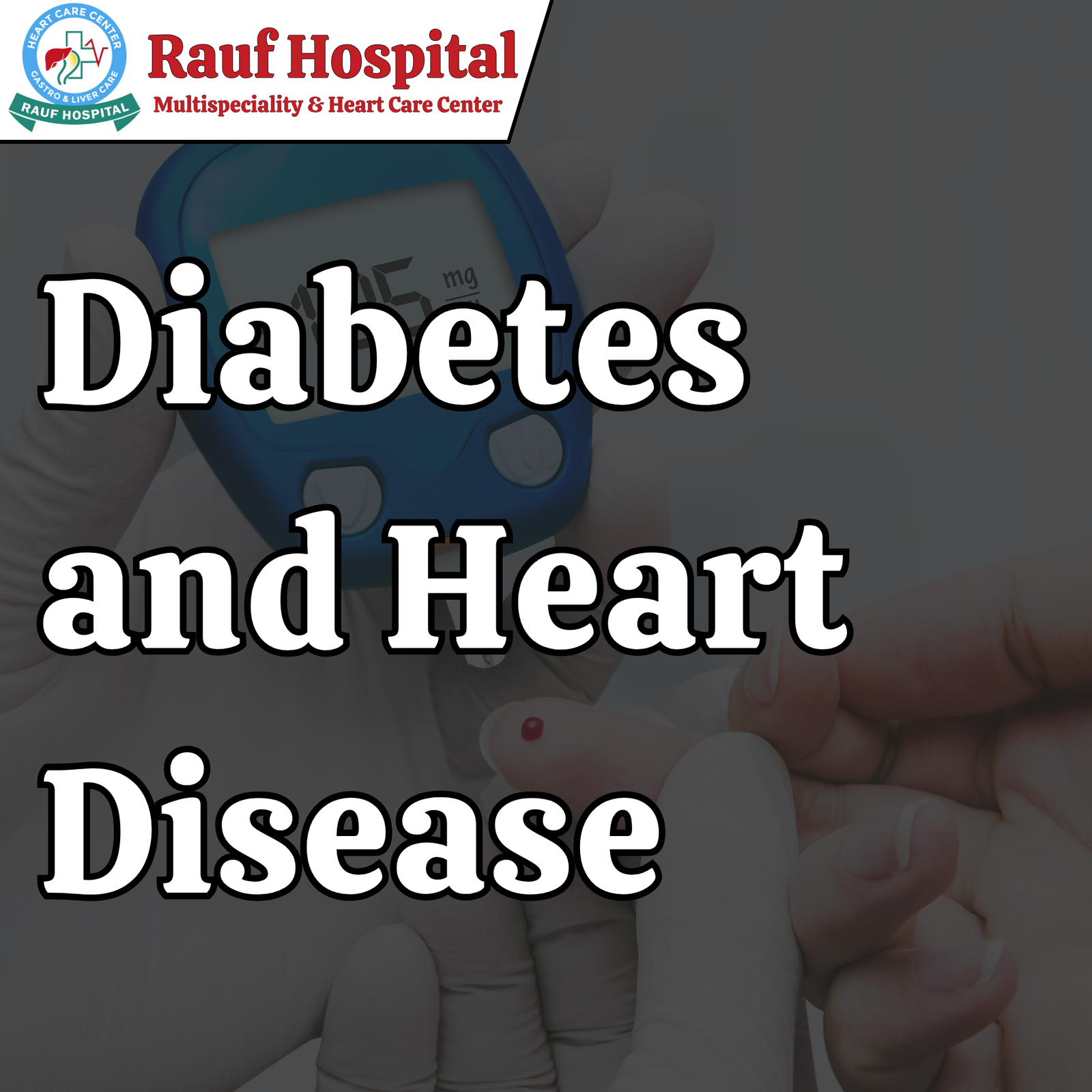
Diabetes is often considered a “sugar problem,” but in reality, it is one of the strongest risk factors for heart disease. Patients with diabetes are two to four times more likely to develop heart attacks, strokes, and heart failure compared to non-diabetics.
What makes this connection particularly dangerous is that diabetes can mask classic heart symptoms. Many diabetic patients develop serious heart disease without chest pain or obvious warning signs, leading to delayed diagnosis and emergency presentations.
This is why regular cardiac check-ups are not optional for diabetics—they are essential.
How Diabetes Damages the Heart and Blood Vessels
Persistently high blood sugar affects the heart in multiple ways:
Damages blood vessels, accelerating atherosclerosis (plaque buildup)
Impairs blood flow to the heart muscle
Affects heart nerves, reducing pain sensation
Worsens cholesterol abnormalities
Increases inflammation and clot risk
Over time, these changes significantly raise the risk of silent coronary artery disease and sudden cardiac events.
Why Heart Disease Is Often Silent in Diabetic Patients
Diabetes can damage the nerves that carry pain signals from the heart (autonomic neuropathy). As a result:
Heart attacks may occur without chest pain
Symptoms may appear as breathlessness, fatigue, indigestion, or dizziness
ECG may be normal in early stages
This “silent” nature makes heart disease in diabetics especially dangerous.
Common Cardiac Problems Seen in Diabetics
- Coronary Artery Disease (CAD)
Diabetics develop more extensive and aggressive artery blockages, often affecting multiple vessels.
- Heart Failure
High sugar levels and long-standing BP issues weaken heart muscle, leading to reduced pumping capacity.
- Heart Rhythm Disorders
Diabetes increases the risk of atrial fibrillation and other arrhythmias, which can cause stroke.
- Stroke and Vascular Disease
Diabetes damages brain and peripheral vessels, increasing the risk of stroke and circulation problems.
Warning Symptoms Diabetics Should Never Ignore
Even subtle symptoms warrant cardiac evaluation in diabetics, including:
Breathlessness on walking
Unusual fatigue or reduced stamina
Chest heaviness or pressure
Palpitations or irregular heartbeat
Dizziness or near-fainting
Swelling in legs or ankles
Do not wait for severe chest pain to appear.
Why Regular Cardiac Check-ups Are Critical for Diabetics
Routine cardiac assessment helps:
Detect silent heart disease early
Prevent heart attack and stroke
Optimize BP, sugar, and cholesterol control
Reduce emergency hospitalizations
Protect long-term heart function
Early detection often allows medical management before invasive treatment is required.
What Does a Cardiac Check-up for Diabetics Include?
A structured evaluation may include:
Detailed clinical assessment
ECG (Electrocardiogram)
Echocardiography to assess heart function
Blood pressure and lipid profiling
Risk stratification and lifestyle counseling
Advanced testing if indicated
This comprehensive approach looks beyond sugar control to protect the heart.
Importance of Preventive Cardiology in Diabetes
Preventive cardiology focuses on:
Early identification of cardiovascular risk
Aggressive control of BP, sugar, and cholesterol
Lifestyle modification and medication optimization
Continuous monitoring
This strategy significantly lowers the risk of heart attack, heart failure, and stroke in diabetics.
Patient-Centric Cardiac Care at Rauf Hospital
At Rauf Hospital – Multispeciality & Heart Care Center, diabetic patients benefit from:
Early detection of silent cardiac disease
Ethical, evidence-based cardiology care
Emergency readiness when required
Long-term heart health planning
This comprehensive care model is why many patients trust expertise associated with the best interventional cardiologist in Varanasi – Dr. Shadab Rauf.
Expert Insight – Dr. Shadab Rauf
“For diabetic patients, heart disease often progresses silently.
Regular cardiac check-ups help detect problems early—before a heart attack occurs.
Preventive care is the strongest protection.”
When Should a Diabetic Patient See a Cardiologist?
Consult without delay if you have:
Diabetes for more than 5 years
Poorly controlled BP or cholesterol
New breathlessness or fatigue
Family history of heart disease
Any unexplained cardiac symptoms
Early cardiology consultation can be life-saving.
Appointment & Contact Information
Rauf Hospital – Multispeciality & Heart Care Center
📍 Locations:
- Chhittanpura, Koyla Bazar, Varanasi
- Doodh Satti, Orderly Bazar, Varanasi
📞 Contact Numbers:
+91 99355 45456
+91 93365 19415
🫀 Services Available:
Diabetic Cardiac Check-up • ECG • Echocardiography • BP & Cholesterol Management • Preventive Cardiology • Heart Risk Assessment
Final Thoughts:
Diabetes and heart disease are closely linked—and ignoring this connection can be dangerous.
Regular cardiac check-ups help identify silent problems early and prevent life-threatening events.
“Control sugar, protect the heart, and get checked regularly.”